Muhammad Ali once said “The dangerous job is sports is a ice hockey goal tender”.
In early ice hockey history, goalies played without any facial protection, a practice known as “barefaced” goaltending. This reflected the sport’s culture of toughness, where protective equipment was seen as a sign of weakness and a potential hindrance to performance. Although there were a few attempts between the 1930s and 1950s to introduce masks, these efforts were largely rejected.
The main reason goaltenders gave for not wearing a face mask was that none of the other players where wearing one. At the same time they said if masks were made mandatory then they would. Coaches were keen on face masks that they thought it would distract from the goal tenders vision. Goal tenders would often wear some form of protection in practice!
The turning point came on November 1, 1959, when Montreal Canadiens goaltender Jacques Plante suffered a broken nose after being struck by a puck three minutes into a game against the New York Rangers. The injury requires stitches and he was taken to dressing room to be patched up.
Plante has been using a mask in practice after being out for 13 games following a sinus operation. Refusing to continue without protection, he wore a homemade fiberglass mask upon returning to the game. Canadiens Coach “Toe” Blake was set against the mask, but he finally agreed as he didnt have a backup. He acquiesed on the understanding that the mask wouldnt be worn once the cut had healed.
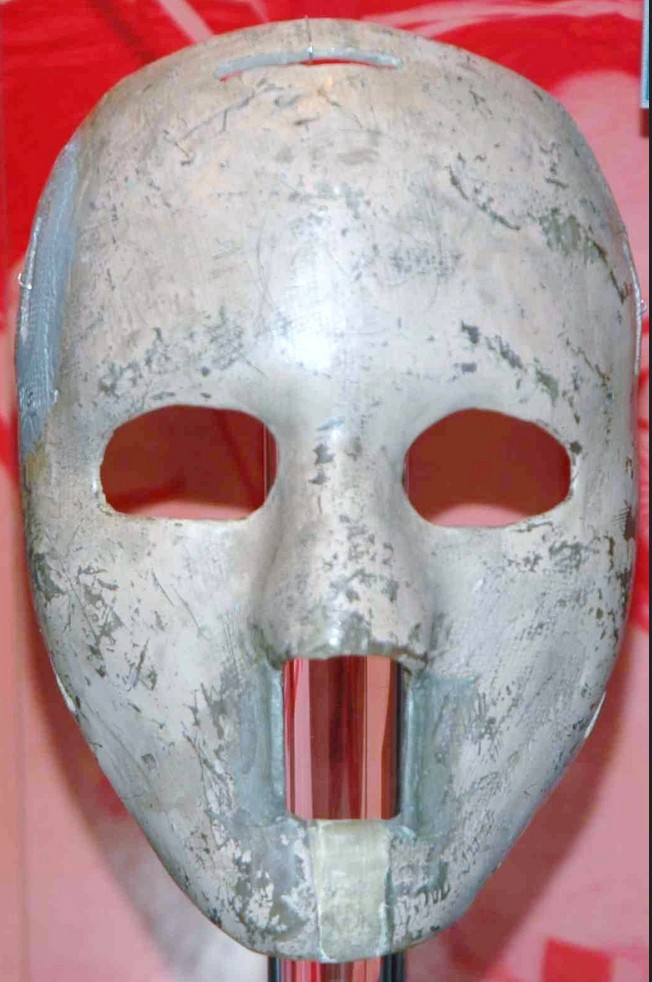
Against Detroit on March 8, 1960 at the Blake’s request Plant did not wear the mask and the Canadiens lost 3–0. Next game the mask was back then that year the Canadiens won their fifth straight Stanley Cup, proving that masks did not hinder performance and but improve safety.
When Andy Brown played his final NHL game in 1974 without a mask, barefaced goaltending had become obsolete.